PraXis might be a strange concept to some Christians. We combine ideas of spiritual growth with a conversation about how fitness, food, and your thoughts and emotions lead to health and peace of heart. The word praxis is just Greek for practice. The idea of spiritual practice, distinct from liturgical worship, was foundational to the early Christian Church. These practices included worship and Scripture, but also things like fasts (abstaining from meat, cheese, wine, etc.), vigils (staying up all night), pilgrimages, and other physical actions that deepened one’s relationship with God outside of Sunday service.
Today there is a hunger for spiritual practice—something that many Christians have lost touch with. Research has shown that only 52% of Christians in the United States are making efforts—exerting discipline—to grow spiritually. Meanwhile, other forms of spirituality like Buddhism, yoga and other practical spiritual traditions that offer concrete spiritual practices are gaining popularity.
In order to address the current health crisis among Christians today, we look back to ancient history to find a uniquely Christian approach to mind, body, and spirit practices. There will be no pleasing some people, for sure. But this system of exercise, diet, and mindfulness is flexible enough to meet most denominational needs. Christians are unique in our view that the body and soul are ONE—we do not see a division between our bodies and our souls. Ours is an incarnate (in the flesh) God, who meets us in our bodies. Ours is a God who understands the trails and joys of our own embodied lives, because he has been with us, in a human body. Christ is with us in psyche (soul or mind), soma (body), and joined with the pneuma (spirit). Our spiritual wellness praxis (practice) is no different.
Too often we forget that the English word salvation, is actually a translation of the Greek word soteria, used in the New Testament. In Greek, the word applies to more than protection from harm, but also to health and well-being through Christ: the Healer (soter).
The medical profession started using the term wellness in the 1950 to describe conditions that promote optimal health. Today, Wellness constitutes an $8 billion a year global industry, promoting everything from Wellness branded shampoos to snake oil medicines. But at its core, wellness tries to get at two critical long-term health problems in the West. The crisis of heart-disease and mild anxiety and depression in America.
Forget COVID-19, heart-related disease is the number one killer in America. Heart-related disease accounts for 25 percent of all deaths. Meanwhile a staggering 40 million adults in the United States suffer from anxiety disorders, nearly 20% of adults over 18 yrs. old. Anxiety and depression is by far, the most rampant mental disorder in the US.
The problem is a combination of lifestyle and environment. Unhealthy eating and physical inactivity are the leading cause of heart-related illness. Only 5% of American adults are physically active for at least 30 minutes a day, and only 20% of kids. Nearly 72% of Americans are overweight or obese.
Anxiety and Depression affect 20 percent of all adults in the U.S. Mindfulness practices have proven to be effective ways to combat and prevent these mental and emotional problems. A handful of Christian prayer practices fall into the category of “mindfulness”.
Anxiety and depression are harder to pin down. Stress is a driving force behind mild forms of anxiety and depression. We, in the US live in a hyperstimulated, hyper active culture, that may contribute to stress and anxiety. What we can say is that certain mental exercises known as mindfulness, meditation or contemplation, have been scientifically proven to reduce stress and make us more resilient to anxiety and depression. That is because these forms of mental exercise literally stretches our minds, producing neural plasticity, making it easier to cope with traumatic mental and emotional events.
Despite the unhealthy state of many Christians, we are called to life. God wants us to be healthy and to thrive. And the tools we need already exist in long forgotten Christian spiritual practices like fasting (no meat, no dairy Wed. and Friday) and contemplative prayer (medical science now referred to this as mindfulness).
“For the gate is small and the way is narrow that leads to life.” Matthew, 7.14. Note here that the word for life in Greek in this passage is zoe. The word bios, in Greek, means animated life, like biology. But zoe means more. It means alive-ness! God wants us to be more than just a life form. God wants us to feel alive! And that’s what wellness is all about.
Salvation, Soteria and Wellness
The funny thing is that what Christians normally refer to as Salvation, can also be translated as wellness. The word Soteria is the Greek word in the New Testament that has been translated into Salvation. But in Greek and in Latin the word means more than just protection from harm. It also means, wholeness, healing and yes, wellness.
Christians were the first wellness-focused people. Christ the Savior, was Christ the soter, or healer, the bringer of wholeness to those in mind, body and spirit.
The data shows that changing daily habits is hard, and it really can only work with an engaged and supportive community, uh… like a church!
At PraXis we want to bring back this sense of Soteria, or Christian Wellness, not in the sense of spiritual salvation but in the sense of physical and mental aliveness and peace. Christ can bring spiritual Soteria. But we humans can practice daily habits that cultivate a healthy body and mind, while at the same time, deepen our relationship with God.
Christianity is a path that celebrates life. We are led by the Holy Spirit, the giver of life, to Salvation in Christ. Upon our baptism, the Holy Spirit literally came to dwell inside our bodies. And in this spirit, we should honor our bodies with daily practices that cultivate better bodily and mental health while bringing us closer to God: a Soteria or Wellness of mind, body and Holy Spirit.
The key to PraXis is doing light exercise before your mindfulness, or contemplative prayer practice.
In general, adults should do at least 30 minutes of moderate to intense exercise 5 days a week just to stay healthy. In PraXis, exercise is followed by 10- 20 minutes of Christian mindfulness, such as Centering Prayer, Christian Meditation or ceaseless prayer like the Jesus Prayer. [Check out Contemplative Outreach for details on centering prayer].
Below are some examples of different exercises you can do depending on your fitness level. Use discretion and choose types of physical activity that are appropriate for your current fitness and health goals. Increase physical activity gradually over time. Work with your health care provider if you have chronic conditions or symptoms to choose the activity appropriate for you. Apply the Rule of Pain (see the bottom of this post HERE) if you experience pain, fatigue or discomfort.
For many exercises, equipment is not needed. Mostly you will need quality shoes and comfortable clothes you can move (and sweat) in. Occasionally you may need a yoga mat, resistance bands, small dumbbells, or any type of weight added strength training.
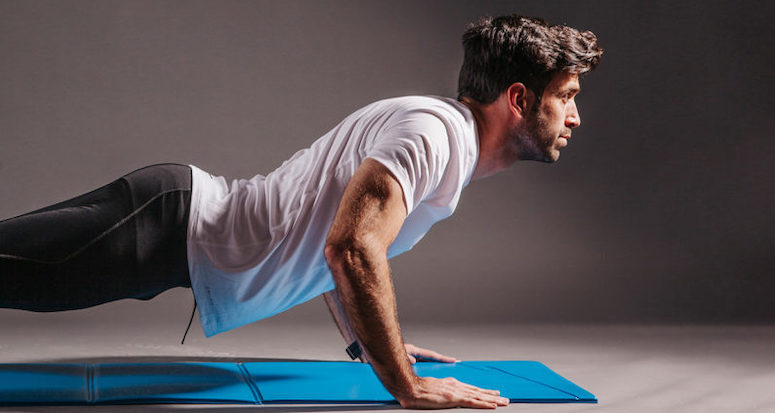
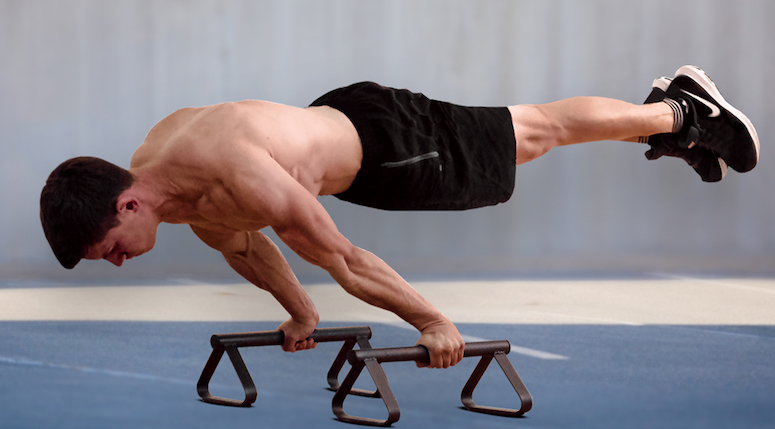
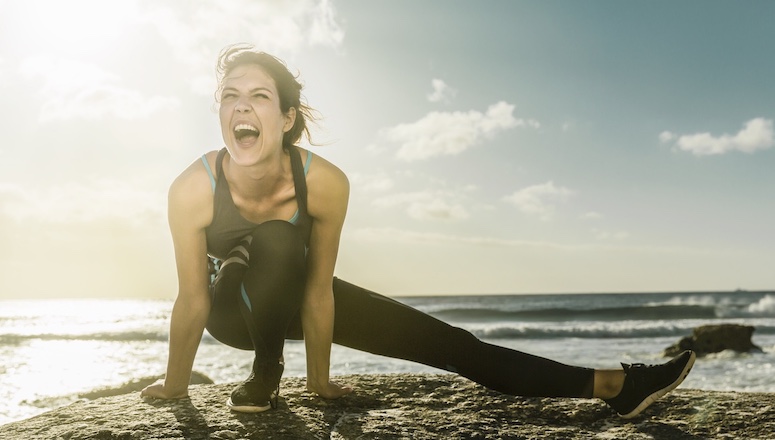
Exercises here fall into three categories, mobility (stretching and flexibility), strength training, and cardio or HIIT training (High Intensity Interval Training). Excerises called Prehabs, and exercises for seniors are described in a separate post. We suggest doing two days of cardio or HIIT, two days of strength, one day of mobility and two days of rest each week. This will not turn you into a body builder, or get you “swoll,” but over time, combined with the Christian diet, you will feel healthier and more alive.
Mobility is related to the joints and their ability to move actively through their full range of motion in order to express muscle flexibility. Here’s a great video that explains the difference between flexibility and mobility. Here is a 15 minute full body mobility routine, it’s helpful if you have a short stick and a yoga mat or soft surface. Below is a simple 15 minute stretching routine you can do daily, or for a light warmup before contemplative prayer.
Strength Training benefits of strength training include improving bone strength, body image and weight control.
Here is a total body workout, no equipment necessary. 16 minute workout includes 5 minute warm up and 5 minute cool down (See Fitness Blender for more exercises)
Cardio (low & high impact) in a nutshell, the term aerobic means “with oxygen.” Aerobic exercise and activities are also called cardio, short for “cardiovascular.” It’s a level of activity that you can maintain for an extended period of time. Can you comfortably pass the ‘talk test’ and be able to talk while slightly breathless? If so, you’re engaging in aerobic exercise.
Here’s a great 30 minute cardio (no equipment) by fitness blender.
Alternatively, you can High Intensity Interval Training (HIIT) instead of the classic cardio. HIIT is an efficient for fat burning for those who already have a solid basic level of fitness and limited time for working out. HIIT is a form of anaerobic exercise, which means “without oxygen.” These burn more fat, but are much more intense.
Here’s an intermediate level workout. HIIT Pyramid style workout with warm up & cool down 26 minutes total (Level 4 HIIT). Or try Level 3 or Level 5 if you need to adjust the intensity up or down.
These are great exercises to do for their own sake. But with PraXis, we recommend you not try to overdo it on exercise. We just want you to build healthy habits, and prepare your body to relax into the next phase, mindfulness. Once you cool down, we recommend giving yourself a few minutes to lay on the floor, or sit silently. Then proceed into a 10-20 minute of Centering Prayer or similar contemplation.
Don’t try this at home…or anyplace else. Ever. There is no such thing as Christian exercise. But some ancient Christians probably did do calisthenics.
“Train yourself in godliness, for, while physical training is of some value, godliness is valuable in every way, holding promise for both the present life and the life to come.” 1 Timothy: 4:8
PraXis is about urging Christians to practice healthy living in mind, body, and Holy Spirit. We do this through diet, fitness, and mindfulness in the Christian tradition of the spiritual athlete.
In the 1-hour PraXis sessions, we engage in 30–40 minutes of light exercise and then sit for 20 minutes of Christian mindfulness, otherwise known as contemplative prayer. In this post we go over the basic intent and theology of the exercise modality. The PraXis exercise is intended to do three things:
Keep the body vital
Prepare for mindful prayer
Turn attention to God through embodied practice and silence
Most people are familiar with yoga, or asana yoga, a series of controlled stretches and poses. There is no real equivalent to asana yoga in the Christian tradition. However, calisthenics and gymnastics are ancient Western traditions of physical training that were certainly present in the Hellenized world of the earliest Christians. Really any kind of exercise appropriate to our age and fitness level will do. There is nothing wrong with purely physically focused tai chi, or yoga. However, we also look at modern calisthenics and modes like Pilates and HIIT (High Intensity Interval Training) as well.
Christians have a unique relationship with the body. In our tradition, you are not a spirit having a bodily experience. You are a body and spirit equally. Christians believe that when we die, we lose our bodies, temporarily, but we will be reunited with them someday, in a place outside time, when Heaven and Earth are reunited. So we must take care of our bodies, for as Paul says, they are not our own. Our bodies were won for us at great price, by Christ on the cross, so that they might become a fit dwelling place of the Holy Spirit (who dwells in your heart). So when we care for our bodies with exercise and fasting, we are performing a kind of prayer of thanksgiving to God.
We have to remember that for most of Christian history, people were not in need of physical fitness. In the days of the early Church, almost every task required physical exercise: farming, making bread, repairing even the simplest tool. Every part of existence was a workout. It was rare for people to make a living while sitting in a chair for eight hours a day.
It was only as we came into the later part of the 20th century that we found ourselves in a crisis of physical and mental health in the United States and the West. This crisis has a lot to do with modern lives, where our bodies are too still and our minds are too active.
Healthy Body, Healthy Soul
According to the US Department of Health & Human Services, adults are way too sedentary these days. Let’s face it, we do sit around way too much. Adults who do any amount of moderate to vigorous physical activity gain health benefits that include prevention of chronic diseases, weight control, strength, improved sleep, stress relief, and increased life expectancy.
Adults should do at least 30 minutes of moderate to intense exercise five days a week. Exercises that we will promote in PraXis fall into three types: mobility or stretching (that means you, yoga), strength training (body weight exercise), and cardio or HIIT workouts (High Intensity Interval Training).
Exercise depends on your individual condition, one size does not fit all. Your weight, age, and general health are the starting points. So be careful and remember to
go slowly at first
pay attention to your body
push yourself
rest
With anything in PraXis, there may be some discomfort as you begin to push yourself into doing something new, or physically or mentally strenuous. So as a martial arts instructor once told us, if it hurts, remember this Rule of Pain and Progress:
The first time you feel it, ignore it and keep going The second time you feel it, pay attention to it, but keep going The third time you feel it, stop and rest
We look back to the ancient Christian practice of asceticism for inspiration. Asceticism and athleticism both come from the same Greek word for training.
“All athletes are disciplined in their training. They do it to win a prize that will fade away, but we do it for an eternal prize.” 1 Cornin. 9:25
We draw our inspiration from the ancient Christian tradition of asceticism. Asceticism is practiced by spiritual people all around the world and practice typically involves things like fasting (special diets), and forms of meditation (what Christians call contemplation). Christian monks, nuns, and Eastern Church Christians still practice asceticism today. Asceticism is largely misunderstood in the West. Some people see it as a form of self-punishment. There are extreme forms of it to be sure, but the oldest Christian traditions used modest asceticism as a way of turning attention away from our bodily and mental fixations and toward God. Asceticism and mysticism tend to go hand in hand. Many people are familiar with yoga and Buddhism as a form of mysticism, but these traditions also forms of asceticism.
The PraXis approach is not about punishing oneself. It is about bringing the mind and body back into one’s prayer life. Here we challenge ourselves to:
evoke the spiritual practices of the earliest Church
turn our attention to God
Asceticism and athleticism come from the same Greek word áskesis, which means to strive. Athleticism is a striving for the body and asceticism is a striving for the spirit. Both require a series of self-imposed challenges in order to build strength. The spiritual striving tradition in ancient Christianity comes, in part, from passages like 1 Cornin. 9:25 (above).
The early Church battled over how much asceticism was too much. Starting with Anthony the Great and the Desert Father and Mothers, early ascetic communities gradually turned into the monastic and hermit traditions still in existance today.
These often-mystical Christians, were motivated by a desire to live as closely as possible as they could to the life of Jesus. This required celibacy, fasting, and like Jesus’s time of prayer in the wilderness (Luke 5:16), plenty of silence. Over time, the silence of the desert grew into prayer practices that allowed one to cultivate mental silence wherever that person happened to be.
In the earliest Church, fasting and some level of asceticism was expected of all Christians. Today, Orthodox Christians still practice varying levels of fasting and asceticism. But much of this ancient ascetical/mystical spiritual practice is unknown to most Christians around the world.
In PraXis, we are doing physical and spiritual áskesis. But we are not training to be monks or nuns, or Olympic athletes. We are practicing to build up healthy daily habits that nourish the mind, body and spirit. Moderation is key.
Be still and know that I am God, Psalm 46:10. It’s harder than you think. But no pain, no gain.
The PraXis Centering Prayer Group is back in action after a long slumber. The group will now meet on Zoom (as we all do these days), every Wednesday at 6 pm, Pacific Standard Time. Details on this week’s sit HERE.
Those who practice or who want to learn Centering Prayer, or Christian Meditation or other forms of contemplative prayer are welcome. This group may expand to cover other topics like fitness and diet as part of our wellness project called PraXis. Contemplation or any form of self-reflective prayer, such as certain Psalms, scripture readings, or practices like Lectio Divina, or the Examen, help deepen our relationship with God, while also helping us to observer our own thoughts and actions in life. In this way, we can feel where we are walking with God, and when and where we have fallen off the path. “Test yourselves to see if you are in the faith; examine yourselves! Or do you not recognize this about yourselves, that Jesus Christ is in you.”[2 Corinth. 13:5]
There are no denominational requirements or restrictions with this group. Open and welcoming. Practitioners are encouraged to attend church and have the support of their pastor, priest or spiritual director.
Prayer will last approximately 20 minutes. There will be a short orientation at the beginning. Then there will be time for a short discussion afterwards.
Go to this link for a PDF download on the basics of Centering Prayer.
The average person need 20-40 minutes of daily exercise to reduce their rate of heart disease. Exercise makes us more resilient to anxiety, depression and other emotional and mental disorders
PraXis began as a theological field education project produced in cooperation with the Vancouver School of Theology at the University of British Columbia, BC, Canada.
We seek sponsoring parishes and parachurch organizations who wish to explore the idea of incorporating evidence-base wellness and Christian spiritual practices. PraXis is a conversation about approaching spiritual practice and our bodily health in an integrated way. Partners often just get inspired by the ideas and then chose to engage or work with us to design a program that meets the needs, and best embodies the spirit of their community. Some possibilities:




 PraXis
